The work behind the work.
The most important professional development happens before anyone notices it. Before the promotion, before the title, before the moment that looks like success from outside, there is a long stretch of building capability while no one is watching. CaliberPath exists to structure that stretch — to make it systematic, measurable, and evidenced.
The short version
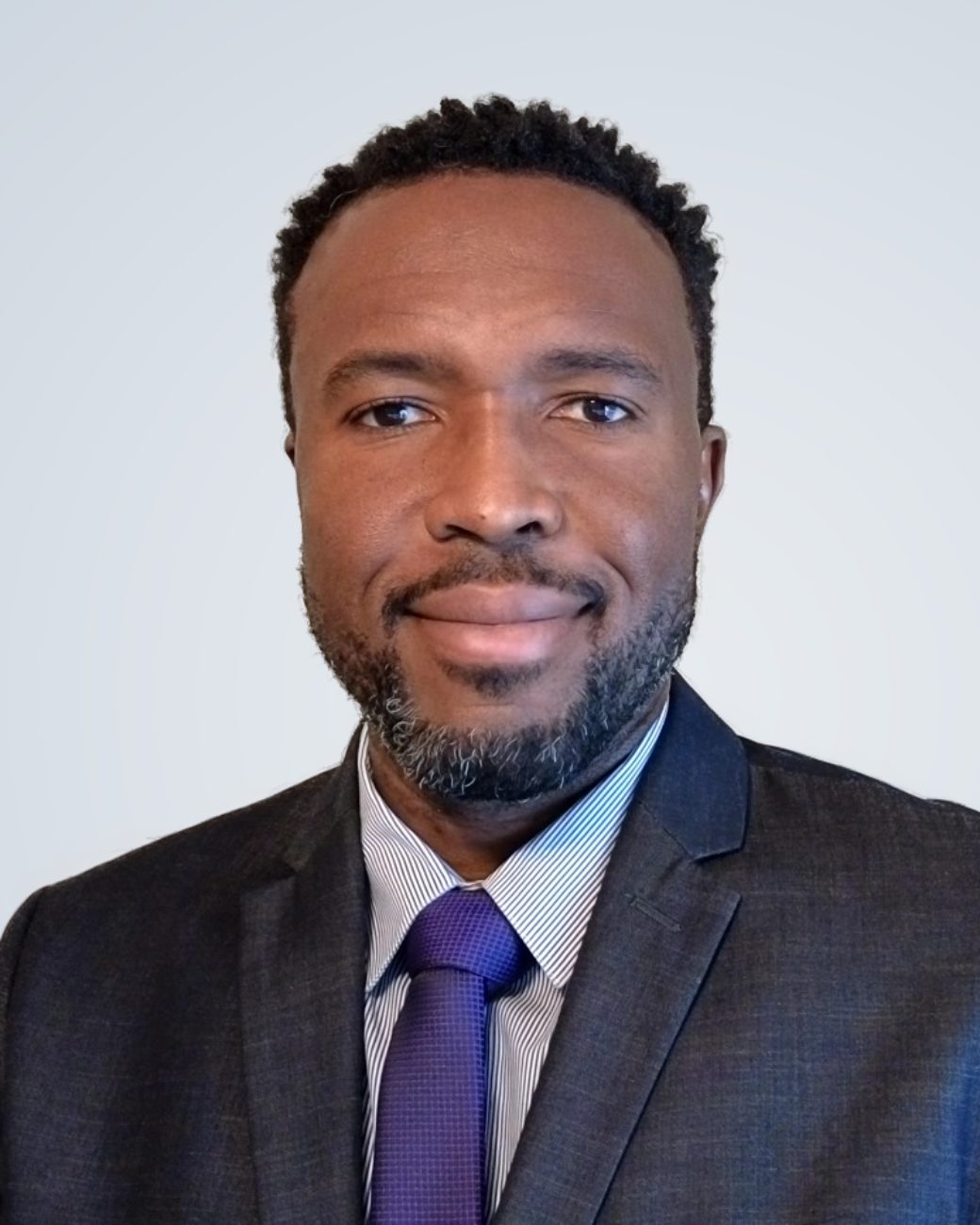
- 18 years — federal training and instructional design
- U.S. Army Cyber Center of Excellence — Instructional Systems lead, New Systems Integration Branch; Lead Academic Outreach Coordinator
- Centers for Disease Control and Prevention — Strategic Programs Manager
- GS-7 to GS-14 — progression across the federal career
- EdD, Leadership and Innovation — Arizona State University
- M.A., Adult Education and Training
Why individual development has to come first.
Brennan's doctoral research did not confirm the hypothesis he brought to it. He built a community of practice inside a federal organization — the intervention the literature consistently prescribes — and found participation stayed low even when the community was self-directed rather than mandated.
The conclusion was structural, not circumstantial. Mutual engagement, shared purpose, and collective knowledge-building do not materialize unless each individual already holds the self-awareness and purpose clarity to participate. Organizations invest at the group level, watch it underperform, and read the failure as an execution problem. The research points to a design problem.
Organizational development that skips individual readiness doesn't struggle. It fails predictably.
That is why CaliberPath's architecture is sequenced the way it is. Career Compass and The Caliber Foundation come first because the evidence says they have to. Rising Leaders and organizational consulting are built to follow that foundation, not to substitute for it.
Built from experience, grounded in research.
Brennan Roy came to Augusta for Paine College and stayed. Before that came six years across seven industries — door-to-door sales, mortgage origination, retail management, a car lot. At a dealership he walked away from a sale to a young family he could see could not afford it, and changed his college major the following semester. At a retail company where the managers around him were fired for embezzlement, he was promoted to Store Manager because his integrity was the only thing in the building that held. Paine — the HBCU that became his alma mater — is where obligation to the people around you stopped being a value to state and became an operating mode.
A Paine classmate he had tutored recognized him years later and recommended him for a Department of the Army internship. That opened 18 years of federal service at what is now Fort Gordon: Instructional Systems lead in the New Systems Integration Branch, where vendor-produced training passed before reaching the operational force, and Lead Academic Outreach Coordinator, negotiating more than ten agreements with universities and state higher-education bodies. At the CDC he served as Strategic Programs Manager, leading a team of analysts, communications specialists, and a data scientist — and advised an enterprise-wide competency assessment initiative that, before it was terminated, had begun producing exactly what CaliberPath now sells: a systematic, individually grounded view of workforce capability an organization can develop against rather than merely categorize. His position was eliminated in the 2025 restructuring. The work was not finished.
How CaliberPath operates.
CaliberPath works from forty-five defined competencies across Self-Mastery, Professionalism, and Leadership & Influence, alongside a technical library of more than 650 sector-specific competencies spanning 35+ industries. That framework is what makes the assessment diagnostic rather than descriptive: it shows where someone stands against universal professional standards, and where their particular background opens pathways they had not considered. Programs are then built the way Brennan built them across 18 years of federal training — objectives defined before content, learning grounded in application rather than delivery, outcomes measured against what actually changed in capability. The goal is not a better résumé. It is the capability a résumé is supposed to stand for.
Let's talk about the work.
Most of these conversations start the same way: what capability are you trying to build, and how will you know when you have it?
Work with us →